Manual Handling Train the Trainer Course: Why Morgan Maxwell’s Programme Excels in the UK
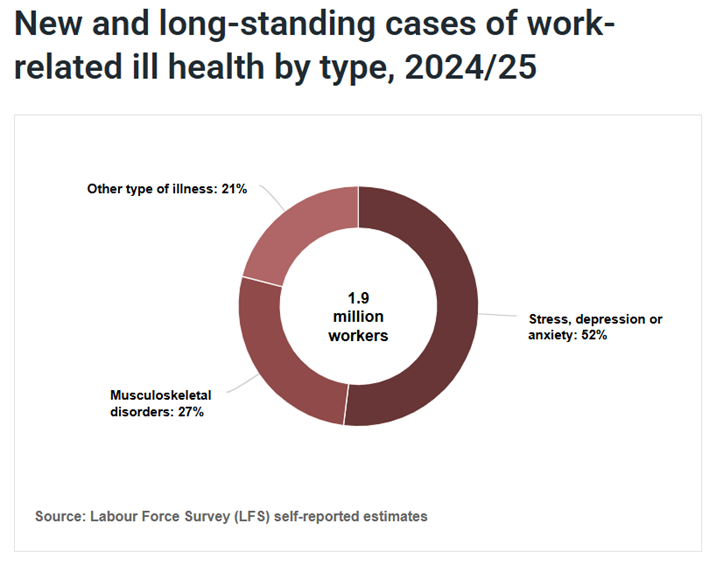
In today’s fast-paced workplaces, manual handling tasks—like lifting, carrying, and moving loads—are unavoidable in industries from manufacturing to logistics. Yet, these everyday activities are a leading cause of workplace injuries, contributing to millions of lost workdays annually in the UK. According to the Health and Safety Executive (HSE), musculoskeletal disorders account for over 30% of all work-related illnesses.
The good news? A high-quality manual handling train the trainer course can drastically reduce these risks by empowering internal staff to deliver effective, ongoing training. That’s where Morgan Maxwell’s manual handling train the trainer course comes in—a bespoke, 1.5-day programme delivered by Chartered Ergonomists with over 20 years of experience, customised to your specific workplace needs.
Understanding UK Manual Handling Regulations
To appreciate the value of a top-tier manual handling train the trainer course like Morgan Maxwell’s, it’s essential to grasp the legal framework governing manual handling in the UK. The Manual Handling Operations Regulations 1992 (MHOR) form the cornerstone of these requirements, mandating that employers take proactive steps to protect workers from injury.
Under MHOR, employers must:
- Avoid hazardous manual handling wherever possible, by automating processes or redesigning tasks.
- Assess risks for any unavoidable manual handling activities, considering factors like the load’s weight, the environment, and individual worker capabilities.
- Reduce risks to the lowest level reasonably practicable, through measures such as providing mechanical aids, reorganising workspaces, or delivering appropriate training.
These duties aren’t just best practices—they’re legal obligations. Failure to comply can result in fines, legal action, and increased insurance premiums. Importantly, MHOR emphasises the need for ongoing risk assessments and employee training to foster a culture of safety. This is where “UK manual handling regulations” intersect with effective manual handling train the trainer programmes, helping organisations not only meet compliance but also prevent costly injuries and absenteeism.
Morgan Maxwell’s Human Factors Approach to Manual Handling
Backed by the Chartered Institute of Ergonomics and Human Factors (CIEHF), the manual handling train the trainer course doesn’t just focus on “correct posture” during lifts—a common pitfall in traditional programmes that often fails to address real-world complexities.
Instead, the course employs the BELT framework, a holistic tool that examines four interconnected elements:
- Body and Behaviour: This considers workers’ physical capabilities, such as strength and flexibility, alongside behavioural habits like rushing tasks or ignoring fatigue signals. It encourages trainers to promote mindful practices that align with individual differences.
- Environment: Factors like lighting, flooring, and space constraints are scrutinised to identify how they contribute to risks, ensuring training addresses slippery surfaces or cluttered areas.
- Load: Beyond weight, this evaluates the object’s shape, stability, and handling requirements—think awkward grips on bulky items that traditional training might overlook.
- Task: Workflow demands, including repetition, duration, and team coordination, are analysed to redesign processes for efficiency and safety.
By integrating these elements, the BELT approach tackles “human factors in manual handling” comprehensively, moving beyond simplistic “lift with your knees” advice. This method, delivered by experts with decades of ergonomic experience, equips trainers to handle diverse scenarios, making it far more effective than outdated, one-size-fits-all programmes in preventing injuries and enhancing productivity.
The Power of Participatory Risk Identification for Behavioural Change
A key strength of Morgan Maxwell’s human factors approach lies in empowering the staff who perform manual handling tasks daily to identify risks and develop control measures. This participatory method fosters ownership and leads to more effective behavioural change compared to top-down, prescribed interventions that overlook human factors.
When workers—who intimately understand the nuances of their roles—actively spot hazards like awkward loads or environmental obstacles, they feel invested in the solutions they create, such as adjusted workflows or team protocols. This buy-in results in sustained habits, as evidenced by HSE’s Involving Your Workforce in Health and Safety guidance, which shows that employee involvement improves risk control in 76% of cases, reducing slips, trips, and strains through better engagement.
In contrast, prescribed interventions that ignore human factors—such as generic lifting guidelines imposed without context—often fail to stick because they don’t account for real behaviours, motivations, or workplace realities. Workers may comply temporarily but revert to old habits if the measures feel disconnected from their daily experiences. Morgan Maxwell’s BELT framework counters this by integrating worker insights, driving genuine behavioural shifts that enhance safety and compliance.
How Morgan Maxwell’s Training Supports MHOR Compliance
Tying directly back to UK manual handling regulations, Morgan Maxwell’s manual handling train the trainer course is designed to help organisations fulfil their MHOR duties head-on. The programme empowers internal trainers to become compliance champions, bridging the gap between legal requirements and practical implementation.
For instance, MHOR requires risk assessments for unavoidable manual handling—the course teaches trainers how to conduct these assessments using the BELT framework, identifying hazards across body, environment, load, and task. This not only reduces risks “to the lowest level reasonably practicable” but also documents compliance efforts.
Moreover, the regulations stress providing suitable training; here, the course builds internal expertise, enabling consistent, tailored sessions that foster safer behaviours. By implementing ergonomic improvements learned in the programme—such as workspace redesigns or behavioural nudges—organisations can avoid injuries, cut down on absenteeism, and sidestep the financial pitfalls of non-compliance.
In essence, investing in this “manual handling train the trainer” course isn’t just about ticking boxes; it’s about creating a resilient safety culture that aligns perfectly with MHOR’s preventive ethos.
Course Details and Benefits: What to Expect from Morgan Maxwell’s Manual Handling Train the Trainer
Diving into the specifics, Morgan Maxwell’s manual handling train the trainer course is a 1.5-day, in-person programme that’s fully bespoke, meaning it’s adapted to your organisation’s unique challenges, workforce, and industry. Unlike longer courses (e.g., 3-day programmes from other providers), this efficient format delivers maximum impact without extended downtime, making it ideal for busy UK businesses.
Key Course Objectives:
- Drive meaningful change in manual handling practices to reduce incidents and injury costs.
- Equip trainers with skills to deliver impactful, organisation-specific training.
- Boost overall productivity by minimising downtime from injuries and improving efficiency.
Who It’s For:
- Manufacturing and engineering teams dealing with heavy machinery or repetitive tasks.
- Warehousing and logistics operations handling variable loads in dynamic environments.
- Field-based or offshore workers facing unpredictable conditions.
- Health and safety professionals seeking to enhance their training delivery.
Practical Elements and Benefits: Participants master the BELT framework through hands-on activities, learning to create engaging sessions that resonate with employees. The course emphasises practical relevance, ensuring trainers can apply concepts immediately for real results.
Upon completion, you’ll receive a certificate of attendance from Morgan Maxwell, backed by CIEHF standards, along with trainer notes, props, and customisable materials.
Benefits extend far beyond the training room:
- Internal Expertise: Develop confident trainers who deliver consistent, high-quality sessions, reducing reliance on external providers.
- Injury Reduction: Tailored approaches lead to fewer musculoskeletal issues.
- Productivity Gains: Safer practices mean less absenteeism and more efficient workflows, directly impacting the bottom line.
- Cost-Effective Compliance: By aligning with “UK manual handling regulations,” organisations avoid fines while fostering a proactive safety mindset.
How Morgan Maxwell Stands Out from Other Manual Handling Train the Trainer Courses
While respected providers offer excellent 3-day programmes focusing on general principles and assessments, Morgan Maxwell’s bespoke manual handling train the trainer course differentiates itself through its human-factors emphasis and participatory approach.
Unlike generic curricula, it customises content to your workplace, using the BELT framework to address real-world behaviours—leading to higher engagement and better long-term results.
If you’re comparing options, Morgan Maxwell prioritises efficiency and innovation, making it a top choice for UK organisations seeking flexible, impactful training without the time commitment of multi-day programmes.
Frequently Asked Questions About Manual Handling Train the Trainer Courses
What is a manual handling train the trainer course?
It’s a programme that equips individuals to train others in safe manual handling practices, covering regulations, risk assessments, and practical techniques to prevent injuries.
How does Morgan Maxwell’s manual handling train the trainer differ from others?
It uses a unique BELT framework for human factors, is bespoke, and emphasises worker participation for lasting behavioural change—unlike more standardised, longer courses.
Is certification included in the manual handling train the trainer programme?
Yes, participants receive a certificate from Morgan Maxwell, aligned with CIEHF standards, plus resources for in-house delivery.
How long is the manual handling train the trainer course?
Morgan Maxwell’s is an efficient 1.5-day session, customisable to your needs.
Who should attend a manual handling train the trainer UK course?
Safety professionals, supervisors, and staff in high-risk sectors like manufacturing or logistics who want to build internal training capabilities.
Conclusion: Take the Next Step Toward Safer Workplaces
In summary, Morgan Maxwell’s manual handling train the trainer course offers a fresh, human-factors-driven alternative to traditional training, perfectly aligned with “UK manual handling regulations” like MHOR.
Through the BELT framework, it addresses the full spectrum of risks—body, environment, load, and task—empowering internal trainers to reduce injuries, ensure compliance, and drive productivity.
If you’re ready to transform your organisation’s approach to “manual handling train the trainer,” book a free consultation today.