Upper limb disorders (ULDs), also known as work-related upper limb disorders (WRULDs) or upper extremity musculoskeletal disorders, are common issues affecting workers’ shoulders, arms, wrists, hands, fingers, and neck.
These conditions, including repetitive strain injury (RSI), carpal tunnel syndrome, tendonitis, and shoulder pain, can lead to significant pain and reduced productivity.
This guide helps managers understand, prevent, and manage upper limb disorders to create a healthier workplace.
What Are Upper Limb Disorders?
According to the Health and Safety Executive (HSE) and NHS, upper limb disorders involve aches, pains, or discomfort in the upper body, often linked to repetitive tasks or poor ergonomics. Common examples include:
- Carpal tunnel syndrome
- Repetitive strain injury (RSI)
- Wrist pain
- Elbow pain (e.g., tennis elbow)
- Neck and shoulder pain
These musculoskeletal disorders affect millions, with symptoms like numbness, tingling, or weakness impacting daily work.
The Impact of Work-Related Upper Limb Disorders
Work-related upper limb disorders cause substantial economic loss. In 2023/24, HSE statistics reported 543,000 workers with musculoskeletal disorders, 37% involving upper limbs or neck, leading to 7.8 million lost working days.
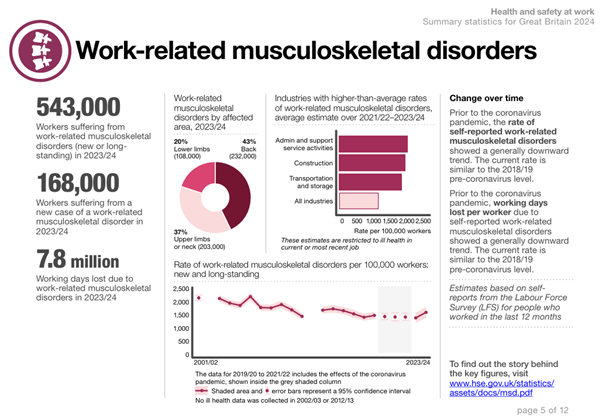
Image 1; HSE statistics around musculoskeletal disorders in Great Britain
Beyond absenteeism, presenteeism – reduced productivity due to pain or distractions – harms business performance. Factors like wrist pain from repetitive motions or shoulder pain from awkward postures can distract employees, affecting efficiency and competitive edge.
Common Jobs at Risk for Upper Limb Disorders
Tasks involving repetitive upper limb movements increase risk. High-risk jobs include:
- Assembly line workers (repetitive strain injury common)
- Construction workers (shoulder and elbow pain)
- Food packers (wrist pain)
- Machinists (hand and finger issues)
- Hairdressers (neck pain from prolonged postures)
Any role with static postures, forceful exertions, or tool use can contribute to upper extremity disorders.
Causes of Upper Limb Disorders in the Workplace
Key causes of work-related upper limb disorders include:
- Static or awkward postures
- Repetitive movements for extended periods
- High force or loading on arms/wrists
- Insufficient breaks
- Prolonged use of power tools
Additional factors:
- Poor lighting or thermal conditions
- Inadequate workstation design ignoring individual differences
Psychosocial elements like high workloads or lack of control can worsen symptoms of repetitive strain injury or carpal tunnel syndrome.
Legal Requirements for Preventing Upper Limb Disorders
No specific regulations around WRULDs exist but the risks fall under the Health and Safety at Work act 1974 and the Management of Health and Safety at Work Regulations 1999 to manage and control the risk associated with WRULDs.
The Health and Safety at Work act 1974 states a general duty on employers to “ensure as far as is reasonably practicable, the health, safety and welfare at work of all his or her employees”.
If employees are using computers, employers are responsible to ensure compliance with the Display Screen Equipment Regulations 1992
The Health and Safety (Display Screen Equipment) Regulations 1992 as amended by the Health and Safety (Miscellaneous Amendments) Regulations 2002 L26 Guidance on Regulations can be downloaded here.
Employers are also responsible for the reporting of Injuries, diseases and dangerous occurrences under the RIDDOR regulations 2013
Employees have a responsibility or ‘duty of care’ under the The Health and Safety at Work act 1974 to take care of their own health and safety and that of others who work with them that may be affected by their actions.
Strategies to Manage and Prevent Upper Limb Disorders
Effective management starts with thorough risk assessments incorporating ergonomics. Follow this step-by-step process to reduce risks of upper limb pain and disorders.
Stage 1: Adopt an Ergonomics Approach
Ergonomics optimises human-system interactions for safety and efficiency. Assess tasks, loads, environments, and individual capabilities. The International Ergonomics Association emphasises designing for human well-being.
To prevent upper limb disorders:
- Comply with HSE guidance
- Review assessments regularly
- Encourage early symptom reporting (e.g., wrist pain or neck discomfort)
- Manage injuries promptly
- Involve workers in solutions
Consider psychosocial risks like tight deadlines. Consult employees on load handling, task order, and environmental constraints.
Protect vulnerable groups:
- Pregnant or postpartum workers
- Those with disabilities or prior injuries
- Young, new, or older employees
Ergonomics addresses tasks, equipment, skills, and social factors to minimize mismatches causing repetitive strain injury or tendonitis.
Stage 2: Use Risk Filters
Risk filters help identify tasks needing detailed assessment. HSE offers upper limb-focused filters to prioritise interventions without assessing every job.
If a task exceeds filter guidelines, proceed to in-depth evaluation for the management of upper limb disorders.
Stage 3: Conduct Detailed Upper Limb Assessments
For high-risk tasks, follow these steps:
Step 1: Contextual Enquiry
Observe real-time worker interactions. Ask about goals, likes/dislikes, difficulties, and workarounds. Interview diverse users to understand contexts contributing to elbow pain or shoulder issues.
Step 2: Apply Ergonomic Assessment Tools
Use validated tools for upper limb disorders:
- Assessment of Repetitive Tasks (ART): Evaluates frequency, force, postures, breaks, and psychosocial factors for repetitive tasks like packaging. Provides exposure scores.
- Rapid Upper Limb Assessment (RULA): Screens postural loading on neck, trunk, and upper limbs. Scores indicate action levels (1-2: acceptable; 7: change immediately).
Combine ART for repetitive strain injury risks and RULA for postural issues in more static less dynamic tasks.
Summary: Proactive Prevention of Upper Limb Disorders
Managing work-related upper limb disorders requires a proactive, employee-involved approach. Gain insights from workers to implement cost-effective changes, reducing risks of carpal tunnel syndrome, RSI, and other conditions while maintaining productivity.
By focusing on ergonomics and early intervention, managers can prevent upper limb pain, boost workplace health, and comply with legal duties.
Need help with your work-related upper limb disorder assessments and ergonomics improvement process? Contact Morgan Maxwell today to speak with a Chartered Ergonomist. We can support you with industrial ergonomics assessments & surveys and ergonomics training in the use of a range of ergonomics tools.
If you’re unsure whether you need a Chartered Ergonomist’s expertise, see our blog post first: What is a Chartered Ergonomist?, and drop us a line with any questions.